
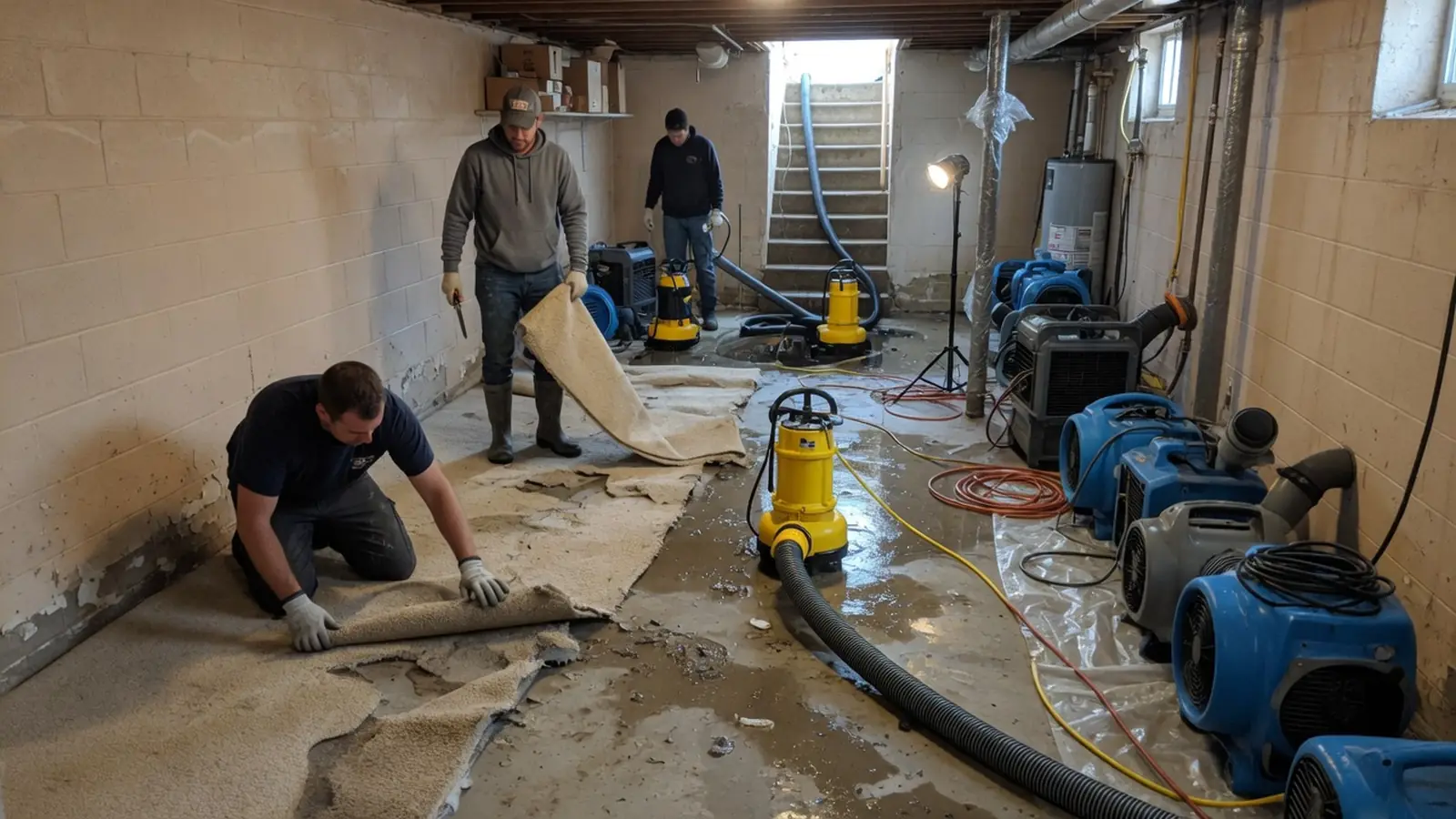
Daly City Storm Damage
Coastal winter atmospheric rivers frequently drive rain horizontally beneath roof flashing and stucco weep screeds, causing hidden perimeter wall cavity saturation. Our emergency technicians deploy rapid extraction units and structural drying equipment to halt framing damage. We stabilize your home day or night.
Call (650) 555-0172 to have the area inspected and the source found.
Prefer to talk? (650) 555-0172
Dedicated Coastal Storm Restoration
Our crew brings years of hands-on structural drying experience to hillside and coastal neighborhoods exposed to Pacific gales.
Homeowners often describe how heavy winter storms cause sudden roof leaks that saturate ceiling insulation and drywall, leaving residents unsure how to coordinate emergency water mitigation.
We respond rapidly with industrial pumps and diagnostic thermal cameras to provide comprehensive water damage restoration services across the peninsula.
Every storm restoration begins with rapid perimeter inspection and immediate containment to protect unaffected living spaces.
Our technicians track daily moisture readings across subfloors and wall framing until all structural materials match baseline dry standards.
We work directly with your property insurance carrier to document structural damage and streamline your emergency claim process.
How We Resolve Severe Storm Water Infiltration
Storm damage restoration prioritizes immediate exterior envelope stabilization with emergency roof tarping before interior structural drying can safely commence, and we guide property owners through resolving standing crawl space water beneath structural subfloors.
- Immediate Hazard Triage. Stormwater leaking through ceiling drywall and light fixtures poses an immediate risk of ceiling collapse and electrical hazards, requiring rapid power isolation and safe ceiling draining.
- Water Extraction & Envelope Tarping. Wind-driven rain from atmospheric rivers breaches window frames and casing, flooding interior walls and requiring emergency water extraction alongside durable roof tarping.
- Structural Cavity Dehumidification. Technicians set up commercial desiccant dehumidifiers and high-velocity air movers to dry interior framing, insulation, and wet drywall cavities completely.
- Moisture Verification & Reconstruction. We measure relative humidity and wood moisture content across all affected framing to confirm total dryness before finishing repairs.
Complete Moisture Elimination Guarantee
A pattern echoed in public discussions is that persistent moisture from attic leaks causes water staining and soft, crumbling drywall that threatens framing with rot and mold growth. We back every project with certified structural drying protocols, non-invasive thermal imaging, and coordination for professional mold remediation to treat hidden fungal growth if moisture went undetected.
Garage Slab Water Extraction
Seasonal rainwater penetrates and pools across concrete garage slabs during heavy winter storm events. We deploy submersible pumps and heavy-duty extraction units to eliminate standing water before concrete absorbs deep moisture.
Window Casing Flood Cleanup
Wind-driven rain from atmospheric rivers breaches window frames and casing, flooding interior walls and requiring emergency water extraction. Our technicians inject cavity drying equipment to dry internal wall framing thoroughly.
Attic Leak Mitigation
Attic water intrusion quickly compromises ceiling drywall and structural rafters. We remove saturated insulation, stabilize ceiling joists, and establish controlled drying chambers to halt deterioration.
Our Commitment To Rapid Storm Recovery
Hail activity around the area is uneven year to year: 2021 logged 0 radar signatures while 2021 logged only 0, a 0.0x spread. We maintain rapid response readiness regardless of unpredictable severe weather patterns, bringing certified drying equipment to protect residential structures.
- 4Zip Codes Served
- 5Service Areas
- 3Services Offered
Local homeowners rely on our rapid response and proven structural drying methods when severe coastal storms breach their homes. Here is what real property owners say about our mitigation response and workmanship.
“When the Sunday night gale tore through our neighborhood, water began pouring through our upstairs ceiling around midnight. The crew answered my call immediately and had technicians at our door with extractors in under an hour. Their rapid response prevented our ceiling drywall from caving into the living room.”
Marcus T.
“Watching the technicians seal the exterior envelope showed how meticulous they really are. Every seam on the emergency roof tarp was taped and battened completely flush, leaving zero room for wind to lift the edges. The drying containment barriers inside were hung with surgical precision.”
Elena R.
“After seeing how cleanly this company cleared the floodwater from our saturated garage, I immediately gave their phone number to my next-door neighbor. They dried our framing three days ahead of schedule and kept our property spotless. Recommending them was the easiest decision I have made all winter.”
David K.
“Midway through drying our family room, the crew discovered rainwater had migrated down behind the electrical panel wall. Rather than panicking, they paused power safely, brought in specialized wall cavity injection dryers, and handled the extra mitigation seamlessly. Their calm professionalism turned a stressful crisis into a manageable repair.”
Sonia M.
Frequently Asked Questions
How quickly should storm damage mitigation begin after a roof or window leak?
Storm mitigation must begin within twenty-four to forty-eight hours to stop structural mold growth and avoid permanent drywall deterioration. Rapid water extraction and immediate roof tarping stabilize the building envelope, preventing exterior rainwater from continually saturating interior wall cavities.
Does homeowners insurance cover storm water intrusion and roof tarping?
Most standard policies cover sudden storm damage and emergency tarping, though exterior floodwater intrusion typically requires separate coverage. We document moisture readings and photo evidence thoroughly from day one to help homeowners navigate the claims process smoothly with adjusters.
What is the average timeline for complete structural drying after storm flooding?
Complete structural drying typically requires three to five days of continuous commercial dehumidification and monitored air movement throughout. Dense framing materials and insulated wall cavities require daily moisture meter tracking until readings match dry baseline standards.
How do technicians find hidden rainwater trapped inside exterior walls?
Technicians pinpoint hidden cavity moisture using non-invasive thermal imaging cameras and calibrated penetrating moisture meters across walls. This diagnostic approach locates moisture trapped behind baseboards and stucco weep screeds without unnecessarily demolishing sound building materials.
Can wet insulation and drywall be saved after storm water saturation?
Saturated fiberglass insulation must be removed, whereas drywall can occasionally be dried in place if clean rainwater is extracted immediately. If ceiling drywall shows signs of sagging or electrical contact, controlled removal is essential to eliminate collapse hazards and health risks.